

Using a Digital Twin to Improve Reactor Cooling Reliability and Avoid Costly Shutdowns
Client Overview
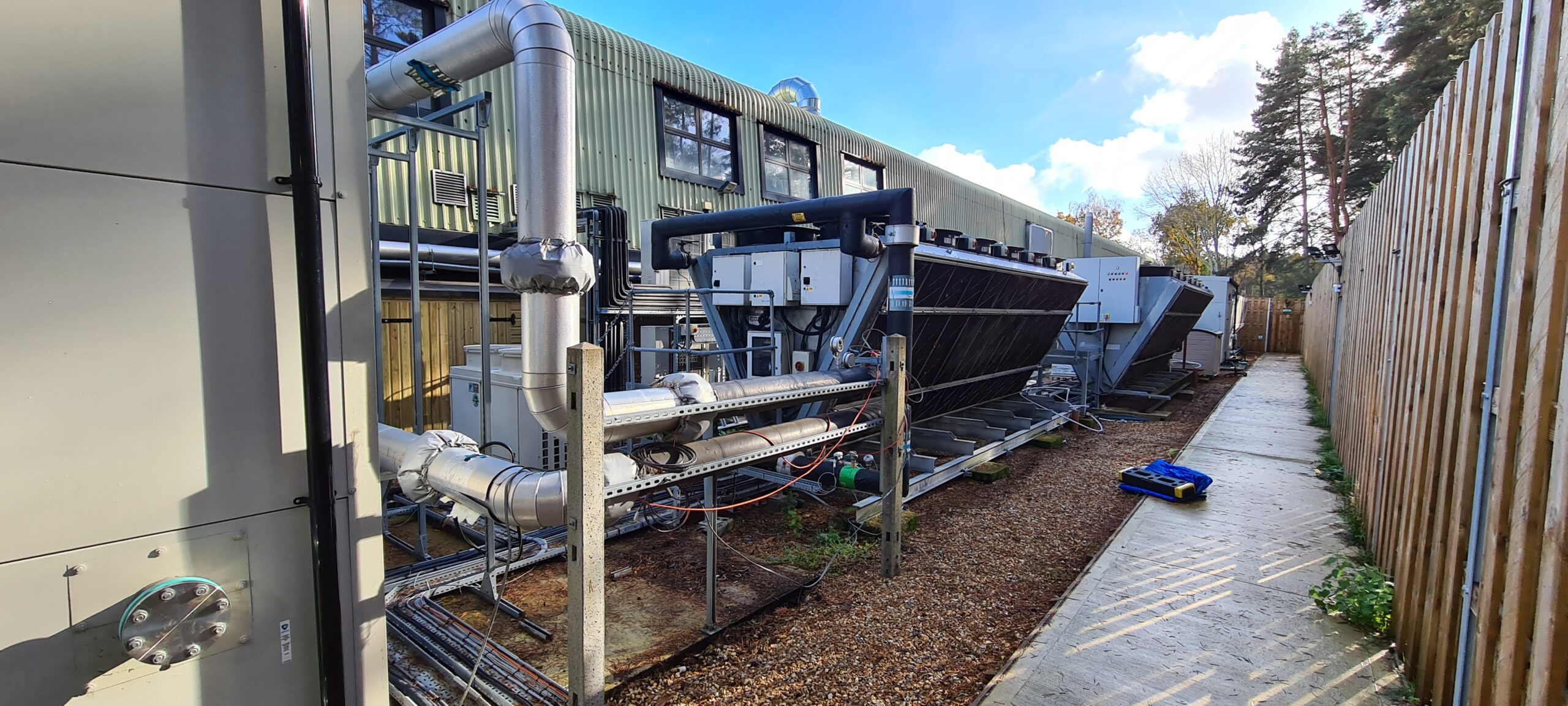
Practicon was engaged to support a manufacturing operation reliant on a critical reactor cooling system. The plant operates in a high-demand environment where uptime, process stability, and safety are essential. Even short interruptions can have significant operational and financial consequences.
The Challenge
The existing reactor cooling system had become a growing concern.
It lacked resilience, struggled with fluctuating flow rates and pressures, and offered limited fault tolerance. The plant team knew that if the system failed, it could force an unplanned shutdown—bringing production to a halt and introducing safety risks.
Complicating matters further, any upgrades had to be implemented within a tight maintenance window—around two weeks. That left little room for trial-and-error or uncertainty.
The team needed confidence that any changes would work first time.
The Approach
Practicon worked closely with the client to fully understand both the technical constraints and operational pressures.
Rather than relying on assumptions or incremental changes, the team focused on building a clear, testable understanding of how the system behaved—both in normal operation and under failure conditions.
This wasn’t about applying a standard solution. The approach was built specifically around the client’s system, their risks, and their time constraints.
The Solution
Practicon developed a detailed digital twin of the reactor cooling system using simulation tools.
This virtual model replicated the real-world behaviour of the system, allowing engineers to:
- Simulate a wide range of operating conditions
- Test failure scenarios safely
- Validate control strategies before implementation
Alongside this, mechanical modelling was used to ensure the simulation accurately reflected real system dynamics—particularly flow behaviour, pressure variations, and system response.
The final design included a resilient pump configuration with redundancy built in, ensuring that no single point of failure could bring down the system.
Crucially, the digital twin allowed Practicon to run 50 different test scenarios—something that would have been impractical, costly, and risky to attempt in the live environment.
The Outcome / Results
The impact was immediate and measurable:
- Unplanned shutdown risk significantly reduced through validated system resilience
- 50+ operating scenarios tested and proven before installation
- Improved system reliability and fault tolerance
- Confident implementation within a tight maintenance window
- Enhanced understanding of system behaviour under real-world conditions
By the time the system was installed, there were no unknowns—only a solution that had already been proven to work.
Added Value
What made the difference here wasn’t just the technology—it was how it was applied.
Practicon combined practical engineering experience with advanced simulation to:
- Remove uncertainty from decision-making
- Enable faster, lower-risk implementation
- Provide a clear, evidence-based path forward
The digital twin also created long-term value. The client can now continue to use it to test future changes, troubleshoot issues, and optimise performance without disrupting production.
Closing Statement
By developing a tailored digital twin of the reactor cooling system, Practicon helped the client move from uncertainty to confidence—transforming a high-risk upgrade into a controlled, proven solution that protects production and supports future improvements.
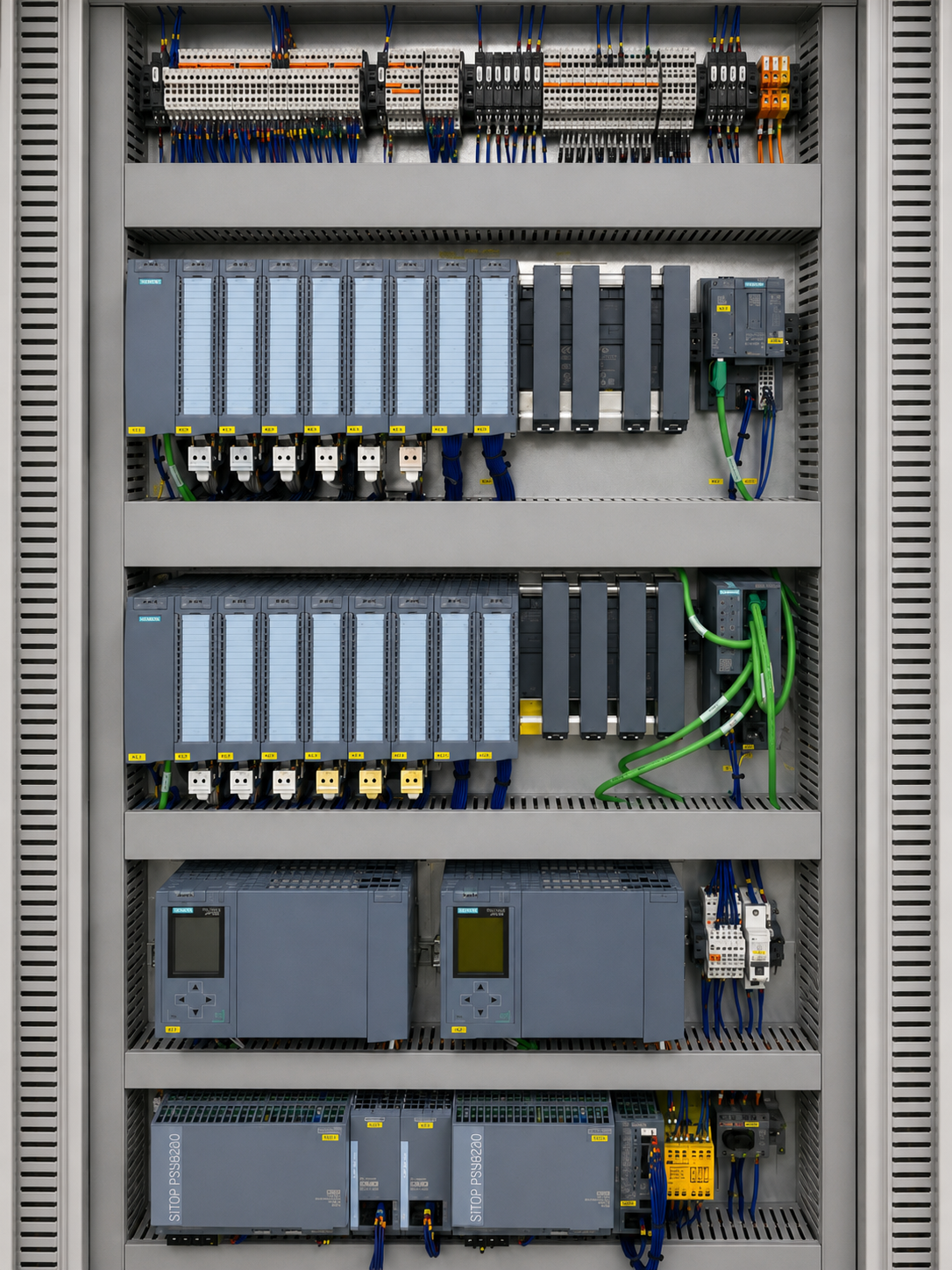
For further information about the technology used in this case study, please review the SCADA Systems & PLC Control Systems and Bespoke Control Systems Design, PLC Programming & Control Panel Build webpages.
